For the first time in World Cup history, 48 nations will compete for football's most prestigious trophy, expanding from the traditional 32-team format. The tournament will feature 12 groups of four teams, increasing opportunities for emerging football nations to compete on the global stage. Among the notable debutants are: Curaçao, Jordan, Uzbekistan, Cape Verde These nations have secured historic qualification and will make their first appearances at the World Cup. Defending champions Argentina arrive in North America carrying the expectations of retaining football's most coveted title. Traditional powerhouses including Brazil, France, England, Germany, Spain, and Portugal are also considered among the leading contenders. Football analysts expect one of the most competitive tournaments in recent history due to the expanded field and growing depth among emerging football nations. One of the tournament's most compelling storylines will be the likely final World Cup appearance of Croatia captain Luka Modrić. At 40 years old, Modrić remains the heartbeat of Croatia's national team and is expected to lead the country into his fifth World Cup campaign. Croatia enters the tournament after topping its qualifying group and continues to be regarded as one of football's most resilient tournament teams. Security and Logistics Challenges Tournament organizers face unprecedented logistical challenges due to the scale of the competition. Major cities including New York, Los Angeles, Dallas, Atlanta, Toronto, Vancouver, Mexico City, and Miami are preparing transportation and security plans to accommodate millions of supporters. Security agencies have identified the World Cup as one of the largest public safety operations ever undertaken in North America.
FIFA World Cup 2026 Set for Historic Kickoff as Global Football Powers Prepare for North America's Biggest Tournament
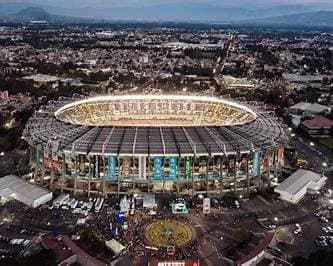
The countdown to the FIFA World Cup 2026 has entered its final stage as the world's biggest sporting event prepares to kick off across the United States, Canada, and Mexico. The tournament will make history as the first World Cup featuring 48 teams and the first to be jointly hosted by three nations. With matches spread across 16 host cities and three countries, FIFA expects the tournament to attract record-breaking attendance, television audiences, and commercial revenues. The final is scheduled for July 19, 2026, in the New York–New Jersey metropolitan area.
Sports
Basketball League Opens New Season with Exciting Matchups
The opening week delivered competitive games and impressive performances from several rising stars.
Badminton Finals Deliver World-Class Competition
Top-ranked players competed in a thrilling championship final watched by enthusiastic supporters.
Youth Football Academy Develops Next Generation of Talent
The academy introduced advanced coaching methods focused on technical ability, teamwork, and sportsmanship.
Elite Cyclists Compete in Scenic Road Race
The annual cycling event attracted international competitors and enthusiastic roadside supporters.