The "Fear" Factor: Existential Threats to the Islamic Republic Despite public displays of defiance, internal reports and diplomatic shifts suggest three primary fears currently driving the Iranian high command: • The "Kosovo Model" of Degradation: Tehran fears the U.S. and Israel are adopting a "scorched-earth" air campaign—similar to the 1999 Kosovo War—targeting civilian infrastructure, power stations, and desalination plants to incite domestic collapse. • Decapitation and Leadership Instability: Following the assassination of Supreme Leader Ali Khamenei in February 2026, the regime is in a fragile state of leadership transition under Mojtaba Khamenei. The fear is that continued "leadership-targeting" strikes will prevent the new government from consolidating power. • Domestic Unrest: Severe economic deterioration, exacerbated by the naval blockade and inflation, has led to a "protest-ready" population. The Institute for the Study of War (ISW)reports that the regime's "negative objective" is now simply preventing a popular revolt triggered by hunger and infrastructure failure. The "Truth": Iran’s Core National Interests To secure its future, Iran is pursuing "positive" strategic goals that it views as non-negotiable for its sovereignty: 1. Hormuz Sovereignty: Iran’s principal objective is to gain international recognition of its sovereignty over the Strait of Hormuz. Rather than just blocking it, Tehran seeks to "manage" maritime traffic permanently, potentially barring all foreign military vessels from the waterway. 2. Ceasefire on All Fronts: For Iran, any deal with the U.S. must include a full cessation of Israeli operations in Lebanon and Gaza. Tehran views its regional "Axis of Resistance" as its outer wall of defense; allowing its allies to be dismantled while signing a bilateral peace would leave the Iranian heartland exposed. 3. Preservation of Deterrence: Having seen its traditional missile and nuclear sites degraded, Iran is leaning into asymmetric leverage. This includes the threat to inflict further damage on the global economy through energy price spikes (targeting $100+ per barrel) as a way to force U.S. concessions.
Iran’s Strategic Gamble: Sovereignty and Survival in a Multi-Front War
As the 2026 conflict enters a critical phase, the narrative from Tehran is no longer just about military retaliation; it is about national survival and the institutionalization of regional leverage. While Western headlines focus on ceasefire talks, the Iranian leadership is navigating a complex web of existential fears and long-term strategic objectives
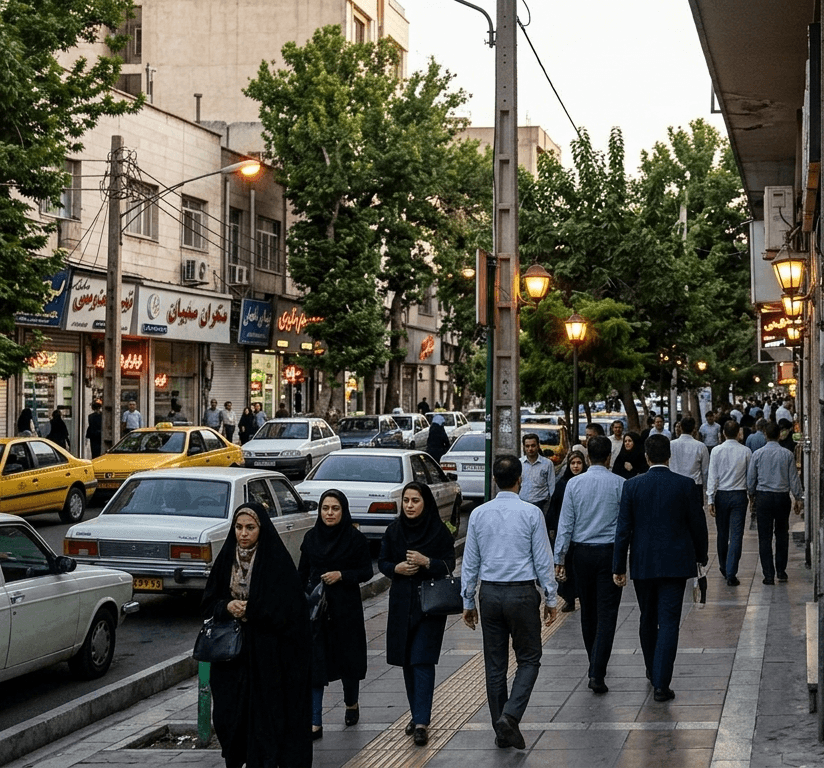
Politics
Global Climate Summit Concludes with New Carbon Reduction Commitments
Delegates from over 80 countries agreed to strengthen climate cooperation through renewable energy investments and emission reduction strategies.
Global Trade Activity Shows Positive Growth
Industry analysts noted improvements in supply chain efficiency, with exporters benefiting from stronger international partnerships and modern logistics technology.
Student Exchange Programs Strengthen International Collaboration
Educational institutions announced new exchange partnerships to encourage global learning experiences.
The "Great Settlement": US-Iran Peace Deal Sparks Hope for Economic Relief in the Muslim World
Following months of high-stakes tension, a potential "settlement" to end hostilities and reopen the Strait of Hormuz is being viewed as a victory for regional stability and economic justice